August 7, 2026
Your roof is one of the most important components of your home, yet most homeowners give it little thought until something goes wrong. When a leak appears or shingles start lifting after a storm, the person you call matters just as much as how quickly you call them. Roofers bring the training, tools, and experience needed to protect your home from water damage, structural decay, and costly emergency repairs down the road. Understanding what roofers actually do, how to evaluate them, and what to expect from the process can help you make smarter decisions and avoid unnecessary headaches. This guide breaks down the essentials so you know exactly what to look for the next time your roof needs attention.
Understanding the Role of Roofers
Roofers do far more than install shingles. Their work spans everything from initial installation and material selection to ongoing maintenance, storm damage repair, and full replacements. A qualified roofing team evaluates your home's structure, ventilation, and drainage needs before recommending a solution, ensuring the finished product performs well for years rather than just looking good on installation day. This is a specialized trade with a genuinely limited workforce. According to RubyHome, the United States has roughly 134,365 professional roofers, a relatively small number when you consider how many homes across the country depend on a sound roof. That scarcity is one more reason to choose your roofing contractor carefully rather than treating the decision as an afterthought.
Recognizing When Your Home Needs Roofers
Many homeowners wait too long to call for help, which often turns a manageable repair into a major expense. Warning signs include missing or curling shingles, granules collecting in your gutters, visible sagging along the roofline, and water stains on interior ceilings or walls. Roofers know how to spot subtle signs of trouble that go unnoticed by the average homeowner, including soft spots in the decking, deteriorating flashing around chimneys, and early indicators of moss or algae growth. Scheduling a roof inspection at the first sign of an issue, rather than waiting for a full-blown leak, is one of the simplest ways to protect your investment and keep repair costs manageable.
Evaluating the Credentials of Roofers
Not all roofers offer the same level of training, insurance coverage, or workmanship. Before hiring anyone, confirm that the company is properly licensed and insured. This protects you from being held financially responsible if a worker is injured on your property. Reputable roofers are typically happy to provide references, share photos of past projects, and walk you through their process in detail. If a contractor is reluctant to answer basic questions about credentials, that hesitation alone should give you pause.
Understanding What Roofers Charge
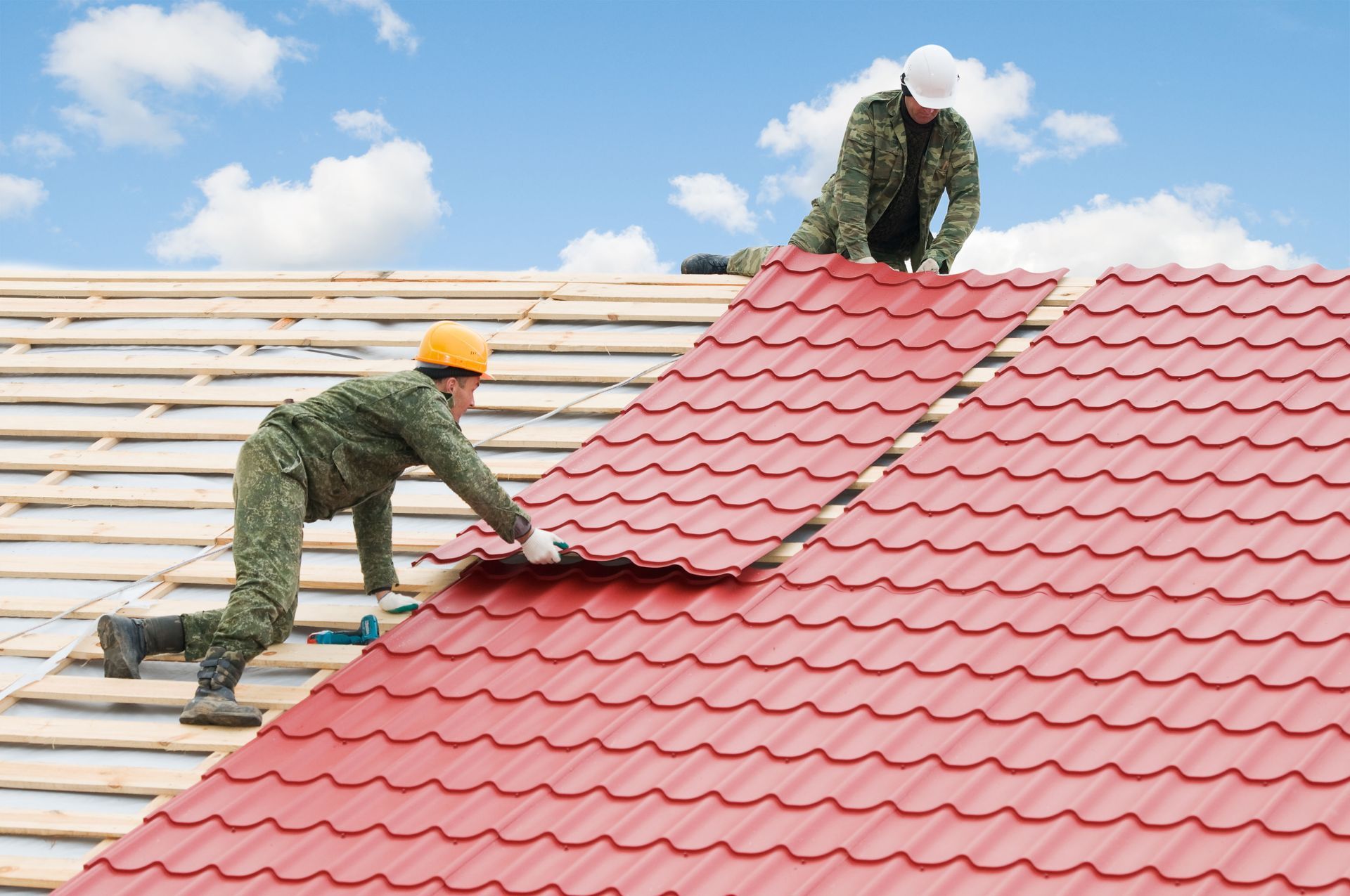
Roofing costs vary widely depending on the size of your roof, the materials you choose, and the complexity of the job. Asphalt shingles remain the most budget-friendly option, while materials like metal, slate, and cedar shake carry a higher price tag in exchange for added durability and longevity. Reliable roofers will walk you through a detailed, written estimate that breaks down labor, materials, and any additional costs tied to tear-off, disposal, or structural repairs uncovered during the project. Be cautious of any quote that seems dramatically lower than others you've received, since this can sometimes signal corners being cut on materials or proper permitting. A fair price reflects quality work, not just a fast turnaround.
Working With Roofers on Insurance Claims
Storm damage is one of the most common reasons homeowners end up needing a new roof, and navigating an insurance claim can be overwhelming without guidance. Experienced roofers routinely work alongside insurance adjusters, providing documentation, photos, and damage assessments that support a fair claim outcome. This partnership can make a significant difference in how quickly your claim is approved and how much of the cost your policy ultimately covers. A contractor familiar with insurance claims can also help you understand your policy's language, identify damage that might otherwise be overlooked, and ensure that the scope of repairs matches what your insurer has agreed to pay for.
Knowing What to Expect From Roofers
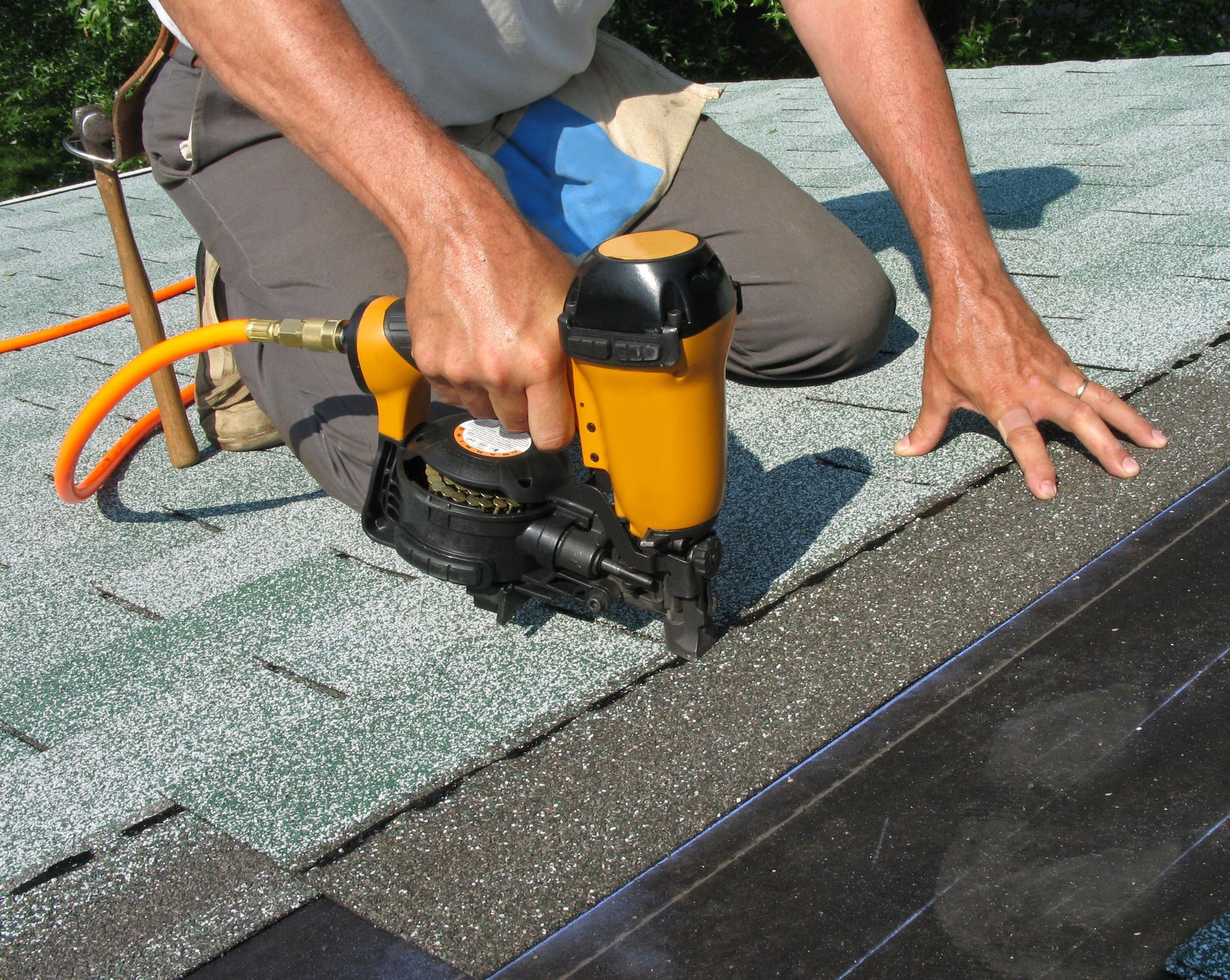
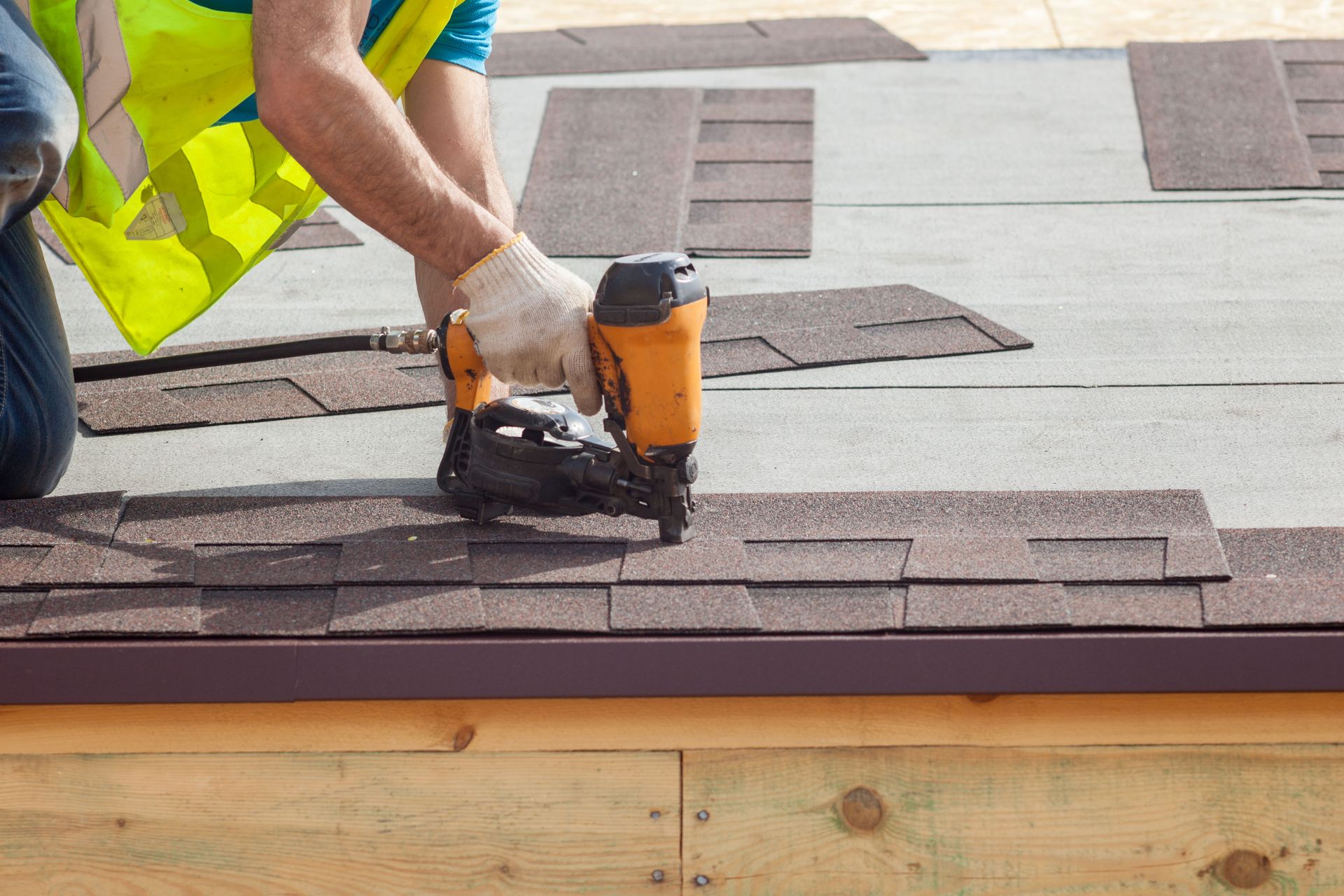
A well-organized roofing project follows a predictable sequence: inspection, estimate, material selection, scheduling, installation or repair, and a final walkthrough. During installation, expect a tear-off of old materials, an inspection of the decking underneath, and the application of proper underlayment before new shingles or panels go down. Trustworthy roofers communicate clearly throughout each stage, provide a realistic timeline, and stand behind their work with manufacturer and labor warranties. Weather delays are common in this industry, so a reasonable buffer in the schedule is normal rather than a red flag. Once the work is finished, a thorough walkthrough should confirm that gutters, flashing, and ventilation were all properly addressed.
Maintaining Your Roof Between Major Repairs
Even a well-installed roof requires periodic attention to reach its full lifespan. Routine maintenance, including gutter cleaning, moss removal, and minor flashing repairs, prevents small issues from developing into major structural problems. Scheduling an annual inspection is one of the most cost-effective ways to catch potential trouble early, particularly after severe weather events. Homeowners who stay proactive about maintenance typically spend less over the life of their roof than those who wait for visible damage to appear. This is another area where working with professionals pays off, since trained roofers know exactly what to look for during a seasonal check that the average homeowner might miss entirely.
Choosing Between Repair and Replacement
Deciding whether to repair or replace a roof depends on several factors, including the roof's age, the extent of the damage, and how much life remains in the existing materials. A roof nearing the end of its expected lifespan may not be worth patching if repeated repairs are becoming frequent or costly. Experienced roofers can assess the full scope of damage and provide an honest recommendation rather than pushing for the most expensive option. In many cases, isolated damage can be repaired effectively, while widespread wear across the entire roof signals that a full replacement is the smarter long-term investment.
Planning for Seasonal Roofing Needs
Weather plays a major role in when roofing work should be scheduled and how a roof performs throughout the year. Spring and fall inspections help catch damage from winter ice or summer heat before it worsens, while scheduling major installations during milder seasons often leads to smoother project timelines. Homeowners who plan ahead rather than waiting for an emergency typically have more flexibility in choosing materials, securing appointment times, and comparing estimates. Staying ahead of seasonal wear also reduces the likelihood of surprise repairs when severe weather hits, keeping your home better protected year-round.
Your roof protects everything beneath it, which is why the decision of who works on it deserves real consideration. From spotting early warning signs to navigating insurance claims and understanding fair pricing, informed homeowners are better equipped to protect their biggest investment. Working with experienced, licensed professionals rather than cutting corners on a repair or installation makes a measurable difference in how long your roof lasts and how well it performs during Indiana's toughest weather.
We founded Bob The Builder, Inc on the belief that every homeowner deserves honest guidance, quality materials, and workmanship that stands the test of time. Whether you need a routine inspection, emergency storm repair, or a full roof replacement, we're ready to help. Contact us today to schedule your free estimate and see why homeowners across Northern Indiana and the South Chicago suburbs trust us with their roofs.